Leave No Trace in Detroit: What It Means, Why It Matters, and How We Do It
Detroit fought for its green spaces. Belle Isle, the Riverfront, the Dequindre Cut. We deserve more access to nature than we've been given. But that's exactly why we have to protect every inch of what we have. That's what Leave No Trace is about.
Leave No Trace is a nonprofit organization and a set of seven outdoor ethics principles designed to help people enjoy the great outdoors responsibly without damaging it for the next person. These principles apply just as much to our Detroit parks as they do to Yellowstone.
Anywhere people share outdoor space, outdoor ethics matter. But for Detroit, it's personal.
Why Outdoor Ethics Hit Different in Detroit
Detroit has been systematically denied green space for decades. Redlining, disinvestment, and environmental injustice have left many neighborhoods with little to no access to parks, trails, or nature. In fact, 87% of Detroit buildings are farther than a quarter mile from a park or recreational area.

That means the green spaces we do have carry a lot of weight. They are shared by hundreds of thousands of people, many of whom have no other option nearby. These spaces matter in Detroit just as much as anywhere else, if not more.
When we show up to them and take care of them, we prove that we belong here. We've always belonged here. And we have a responsibility to protect what's ours.
The Crux Foundation holds itself to the Leave No Trace standard in every space we enter. Here's what that looks like in practice.
Leave No Trace: The 7 Principles and What They Mean for Detroiters
Leave No Trace gives us seven principles to work with. Here is what each one looks like on the ground:
1. Plan ahead and prepare.
Know where you're going. Check conditions. Bring water. Tell someone your plan. Prepared people make better decisions and leave smaller footprints.
What this means for Detroit: Before you head out, look up the space. Most Detroit green spaces and parks have specific hours, entry requirements, and seasonal closures. Showing up prepared means a better trip and fewer unintended impacts on the space.
2. Travel and camp on durable surfaces.
Stick to existing trails and paths. Cutting through vegetation damages the plants and soil underneath even when it doesn't look like it.
What this means for Detroit: Detroit's green spaces are actively managed ecosystems. The grass, plantings, and shoreline areas along the Riverwalk and at Belle Isle are there for a reason. Stay on the path and let them do their job.
3. Dispose of waste properly.
Everything you bring in, you take back out. Food wrappers, banana peels, all of it. If there's no trash can, it goes in your bag.
What this means for Detroit: Most Detroit parks have trash and recycling receptacles throughout. Use them. If your dog goes number two, use a bag to pick it up and throw it in the nearest trash bin. If you're somewhere more remote, pack it out. These are shared spaces. The goal is to leave them better than you found them.
4. Leave what you find.
The cool rock, the wildflower, the interesting thing on the ground. Leave it for the next person. It's not yours to take.
What this means for Detroit: Detroit's waterways and green corridors are living ecosystems. The rocks, plants, and wildlife you find there belong to the space, not to you. Leave them where they are.
5. Minimize campfire impacts.
Fires scar the land. Use existing fire rings, keep fires small, never leave one unattended. In dry conditions, skip it entirely.
What this means for Detroit: Open fires are prohibited in most Detroit green spaces including the Riverwalk, the Dequindre Cut, and the Detroit River wildlife areas. This applies to smoking too. Lighting up in shared green spaces affects the air quality and experience for everyone around you. If you're heading to a metro park outside the city, check the rules before you go.
6. Respect wildlife.
Watch from a distance. Don't feed animals. Wild animals that get used to humans lose their survival instincts and sometimes their lives.
What this means for Detroit: The Detroit River corridor supports over 300 bird species and dozens of fish and mammal species. Watch from a distance, do not feed the animals, and give wildlife the space to actually be wild. (Yes, this includes the ducks at Belle Isle.)
7. Be considerate of others.
Your music, your energy, your space. The outdoors belongs to everyone. Not just you.
What this means for Detroit: Detroit's green spaces serve people of all ages, backgrounds, and abilities. Keep your music at a reasonable volume, yield to other users on the trail, and remember that everyone out there has the same right to enjoy the space that you do.
The principles are simple. The commitment behind them is what matters. And in Detroit, that commitment is already showing up.
Detroit Is Already in This Movement
Leave No Trace has partnered with the US Forest Service to bring outdoor ethics education directly to Detroit, including Metro Detroit Youth Day, the Detroit River International Wildlife Refuge, and Belle Isle Nature Center. Detroit families are already learning these principles and taking them seriously.The Crux Foundation exists to remove the barriers preventing many Detroit residents from being able to experience the great outdoors. Part of that means making sure we all know how to show up for the spaces we use.
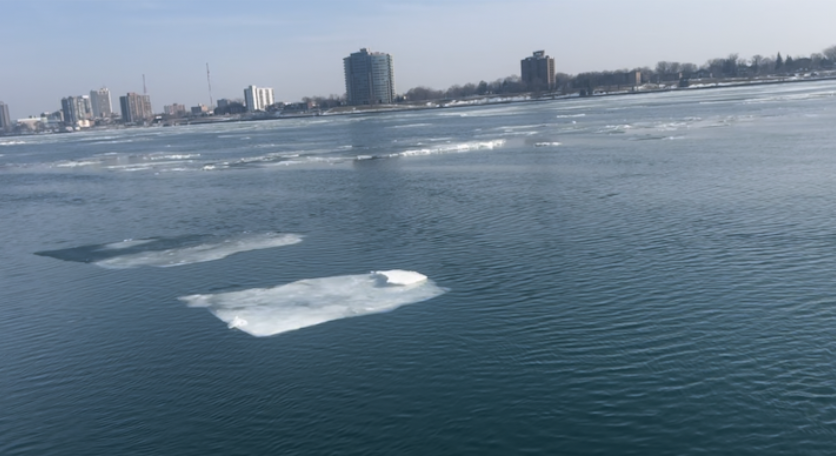
Leave No Trace has partnered with the US Forest Service to bring outdoor ethics education directly to Detroit, including Metro Detroit Youth Day, the Detroit River International Wildlife Refuge, and Belle Isle Nature Center. Detroit families are already learning these principles and taking them seriously.
The Crux Foundation exists to remove the barriers preventing many Detroit residents from being able to experience the great outdoors. Part of that means making sure we all know how to show up for the spaces we use.
Take It Outside
Next time you're at Belle Isle, the Riverwalk, the Dequindre Cut, or any Detroit green space, run through the list. These spaces are ours, and taking care of them is how we keep them.
Or, take it with you. Print it out. Save it to your phone. Share it with your crew. It's free. because access to outdoor education shouldn't cost anything.
Before you go
-
Belle IsleOpen 5 am–10 pm daily. Michigan Recreation Passport required for vehicle entry. Free for walkers and cyclists entering via park roads or bike trails.City ParksDetroit city parks are open 6 am–10 pm per city ordinance. Driving or parking on grass is prohibited.MetroparksAll 13 Huron-Clinton Metroparks are open 365 days a year. Annual pass ($40 resident / $45 non-resident) or $10 daily vehicle pass required. Walkers and cyclists enter free.Downtown ParksCampus Martius, Beacon Park, Grand Circus Park: free and open to the public. Check Downtown Detroit Partnership for seasonal hours and event closures.
-
RiverwalkFully paved, ADA compliant, flat and continuous. Ideal for wheelchairs, mobility aids, and strollers.Dequindre CutPaved, mostly flat, ADA accessible. The 2-mile greenway connects Eastern Market to the Riverfront.Belle IsleMain roads are paved and accessible. Interior nature trails are unpaved and uneven — verify conditions before visiting with mobility needs. All Downtown Detroit Parks are ADA compliant per the Downtown Detroit Partnership.MetroparksAccessibility varies by park. Call individual parks ahead of time or check metroparks.com for trail surface info.
-
Belle IsleCertain shoreline and natural areas close seasonally to protect nesting birds. Check michigan.gov/dnr or belleisleconservancy.org before visiting in spring and early summer.Detroit RiverThe Detroit River International Wildlife Refuge hosts over 300 bird species and closes specific areas during migration. Check driwr.org for current conditions.MetroparksMetroparks prohibit killing, trapping, hunting or disturbing any wild bird or animal within park boundaries without written permission. Nature and farm areas have additional restrictions — check each park.
-
City ParksDrinking fountains are seasonal and may be off outside of summer months. Don't rely on them being available.RiverwalkWater stations available at select points during warmer months. Carry your own supply to be safe.MetroparksWater available at nature centers, golf courses, and picnic facilities during operating season. Trail access to water varies — bring your own.
-
Pack reusable bags. If a bin is full, take it with you. Food scraps — including peels and cores — belong in the trash, not on the ground.
City ParksTrash and recycling receptacles are available throughout most parks. Littering is prohibited under city ordinance.MetroparksNo person shall injure, deface, disturb or befoul any part of a Metropark or any property within it, per Metroparks regulations. -
Belle IsleDogs must be leashed at all times. Designated pet relief areas are available on the island.City ParksDogs must be leashed throughout Detroit city parks. Pet waste must be picked up and disposed of in trash bins.MetroparksDogs and pets allowed only on leashes no longer than 6 feet, under immediate control of a responsible person. Pets are not permitted in nature areas, farm areas, golf courses, playgrounds, beaches, or buildings. Guide dogs and assistance dogs are permitted everywhere.Downtown ParksTrained and leashed dogs welcome. Designated off-leash dog parks at Capitol Park and Grand Circus Park.
-
Even in an urban park, telling someone where you're going and when to expect you back is a basic safety habit. It takes 30 seconds and could be the difference in an emergency. Make it a routine every time you go out solo.
While you're out there
-
City ParksParking or driving on grass or non-designated areas is prohibited under city ordinance. This extends to pedestrian shortcuts through planted areas.MetroparksNo person shall dig for, remove, injure or destroy any tree, flower, shrub, plant, growing thing, rock, mineral or artifact within park boundaries. Cutting through vegetation also compacts soil and damages root systems.RiverwalkShoreline plantings along the Riverwalk and Dequindre Cut are actively managed ecosystems — cutting through them can undermine erosion control that protects the riverbank.
-
MetroparksThe Metroparks do not allow collection or foraging of any plant, animal, or object — including stones, plants, insects, mushrooms, sticks, roots, and soil. This is explicitly prohibited at all times.Belle IsleAs a Michigan State Park, removal of any natural material from Belle Isle is prohibited under Michigan DNR regulations.City ParksNo person shall injure, deface, or disturb any part of a city park, including natural features, per city ordinance.
-
The Detroit River corridor hosts over 300 bird species. Belle Isle and the Detroit River International Wildlife Refuge are active migration and nesting habitats.
MetroparksNo person shall kill, trap, hunt, pursue or in any manner disturb any wild bird or animal within park boundaries without written permission from the Metroparks.All ParksGetting too close to nesting birds or resting mammals forces them to flee, burning energy they need for survival. Stay back and use binoculars. -
Downtown ParksFeeding birds or other wildlife is explicitly prohibited at all Downtown Detroit Parks managed by the Downtown Detroit Partnership.All ParksBread, chips, and human food damage waterfowl digestive systems and cause a condition called "angel wing" that prevents flight. Animals that associate humans with food lose survival instincts and often have to be euthanized.
-
City ParksLittering is prohibited by city ordinance. If a bin is full, you're still responsible for your trash — take it with you.MetroparksNo person shall befoul or in any manner destroy any part of a Metropark. This applies to littering of any kind, including food waste.
-
Downtown ParksCamping, grilling, cooking, use of candles, or having open flames of any kind is prohibited at all Downtown Detroit Parks.City ParksBarbecue grills are permitted in designated city park areas only. Open ground fires are not permitted.MetroparksCooking fires may be built only in picnic grills or other Metropark-approved equipment. No other fires whatsoever are permitted in any Metropark.RiverwalkNo open fires or smoking along the Detroit Riverfront Conservancy spaces, including the Riverwalk and Dequindre Cut.
-
City ParksAmplified music is prohibited in Detroit city parks without a permit. Contact Detroit Parks and Recreation at (313) 224-1100 to apply.All ParksEven unamplified music can disrupt wildlife behavior and disturb other visitors. Keep volume low enough that someone 20 feet away isn't bothered.
-
RiverwalkCyclists yield to pedestrians. Everyone yields to people using wheelchairs, scooters, or other mobility aids. Keep to the right and pass on the left.Downtown ParksRiding skateboards, hoverboards, segways, rollerblades, or bicycles is prohibited within the park footprints. Bikes should be walked or ridden on adjacent paths.All PathsAlert others before passing. Announce "on your left" when overtaking. Don't block the path when stopped.
-
Downtown ParksObstructing park entrances, exits, and walkways — including entrances and exits of park facilities — is explicitly prohibited.All ParksWheelchair ramps, curb cuts, and rest benches are essential infrastructure for many visitors. Be aware of where you park bikes, set down gear, or gather in groups.
-
Downtown ParksOperating drones in Downtown Detroit parks or in park airspace is prohibited — even if you hold a valid FAA license.MetroparksDrone operation is permitted at certain Metroparks in compliance with federal and state law, with location restrictions. Check metroparks.com for the current drone map before flying.Belle IsleBelle Isle is a state park — drone use is governed by Michigan DNR regulations. Check michigan.gov/dnr before flying.
-
Belle IsleMichigan DNR — Belle Isle Park office: (313) 821-9851RiverwalkDetroit Riverfront Conservancy: detroitriverfront.orgCity ParksDetroit Parks and Recreation: (313) 224-1100MetroparksHuron-Clinton Metroparks: (810) 227-2757
Before you leave
-
Banana peels, apple cores, and orange rinds can take up to 2 years to decompose in urban environments and attract rodents and other pests. Take them with you. Bottle caps, zip ties, and foil wrappers are invisible to us but can injure or choke birds and fish.
-
Pet waste carries bacteria including E. coli and fecal coliform that run off into the Detroit River and contaminate waterways used for recreation and wildlife habitat. It is not a natural fertilizer — it's a pollutant. Required by city ordinance and Metroparks regulations alike.
-
Check for: bottle caps, straw wrappers, foil pieces, hair ties, zip ties, twist ties, and small plastic bits. These are common causes of wildlife injury and death — especially for shorebirds and waterfowl along the Detroit River and Belle Isle waterways.
-
This is the difference between visiting a space and stewarding it. If every person who visits Belle Isle, the Riverwalk, or any Detroit green space picks up one item that isn't theirs, the cumulative effect is enormous. Carry one extra bag just for this.
-
Garlic mustard, phragmites, and glossy buckthorn are serious threats to Detroit's green corridors and spread easily on shoes, gear, and pet fur. Brush off boots and check for clinging seeds or plant material before leaving natural areas. Report invasive sightings at misin.msu.edu.
-
iNaturalist (inaturalist.org) and eBird (ebird.org) are free apps used by researchers to track species populations, migration patterns, and ecosystem health. Your observation of a bird at Belle Isle or a wildflower along the Dequindre Cut has real scientific value — it goes directly into databases used by conservation organizations working in Detroit.
-
Detroit fought for its green spaces. We deserve access to nature — and that means protecting every inch of what we have. That's how we show up for these places. That's how we protect what's ours.
That's leave no trace. That's how we protect what's ours.
🌿 Want to do more? Here are five Detroit organizations you can get involved with.
The Greening of Detroit: Tree planting, green space restoration, and youth conservation programs across the city
Friends of the Detroit River: Grassroots advocacy and habitat restoration along the riverfront
Michigan Environmental Justice Coalition: Environmental justice advocacy for Detroit's most underserved communities
Detroit Bird Alliance: Native habitat restoration and bird conservation in Detroit neighborhoods
Chandler Park Conservancy: Restoring and programming green space on Detroit's east side
Or, get outside with us (and help others do the same) at The Crux Foundation.